01
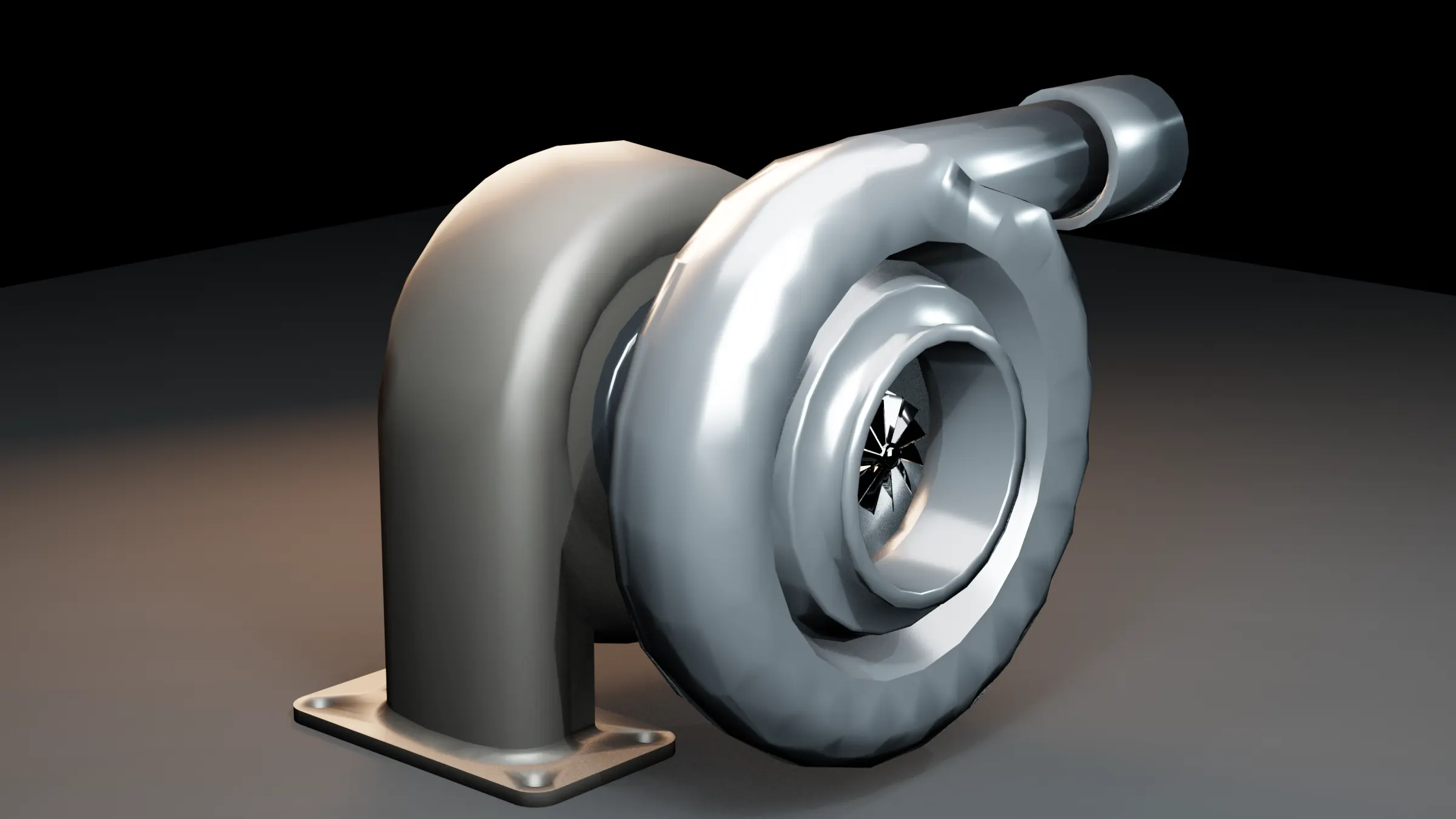
Cast wheel to billet
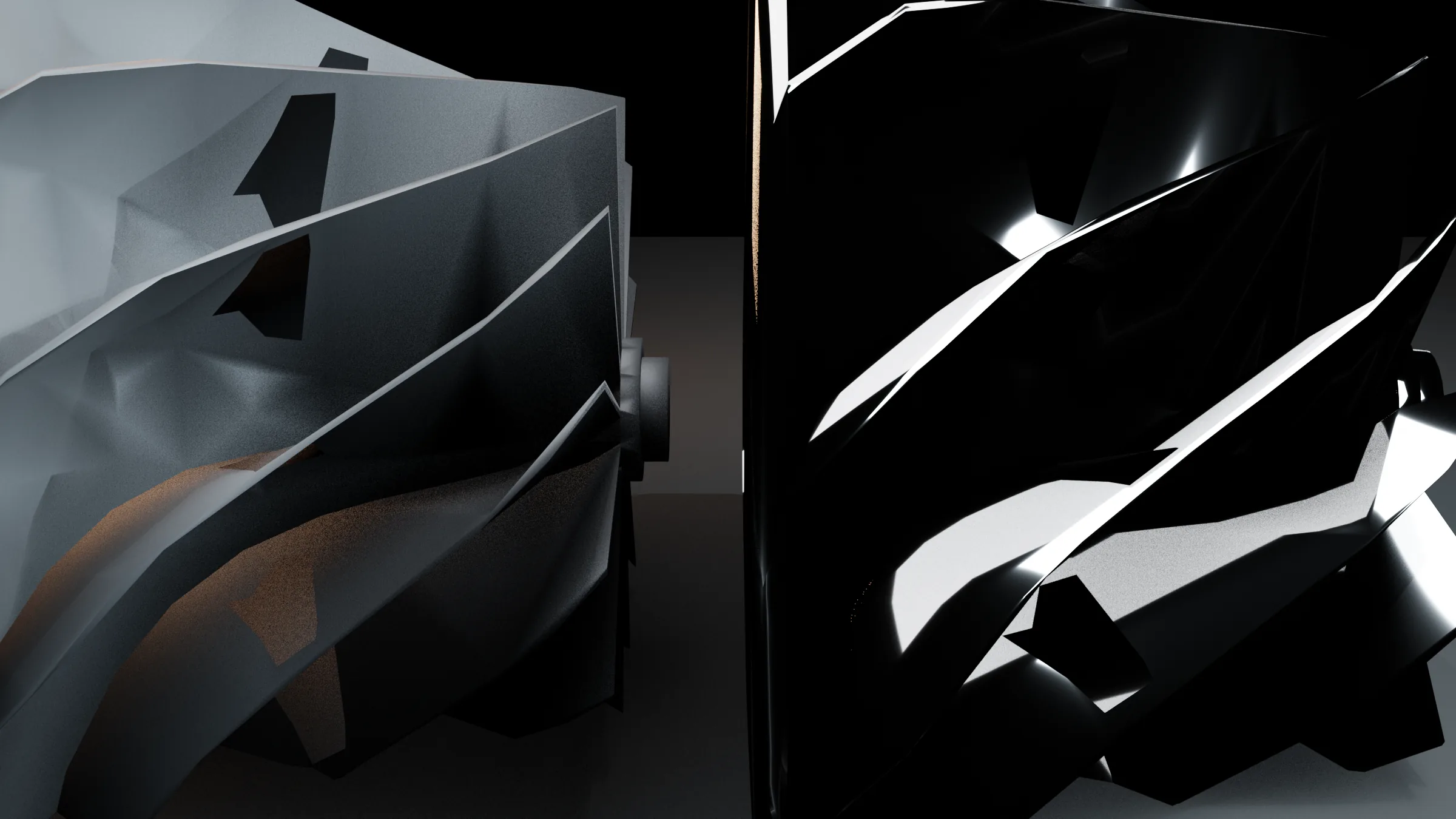
Stock cast 6+6 on one side, billet 7+7 on the other. Inducer and exducer grow only as far as the map and the housing allow. The sheet lists both columns.
Illustration. Example sizes, not a promise.
Quote a billet specSTREET · PREP
Cinematic desk opener. Not a dyno log.
Racing desk · machining to spec · worldwide
You send the spec, or you send the core. We do the machining, the assembly and the high speed balancing, then we hand you the numbers on paper. No stage names. No horsepower we did not measure.
01 / The physics
Not our numbers. The job's numbers. This is the ground every spec has to stand on.
A small frame shaft lives up here. Balancing single parts is not the same as balancing the assembled CHRA, and at this speed the difference is the bearing.
Anti-lag and a lean top end push exhaust gas here. It decides clearance, seal choice and which turbine wheel comes back in one piece.
That is the gauge a 2.6 class inducer gets checked with, smooth bore, no map width groove. If your class has a limit we build inside it and log the measurement.
Nobody serious compares peak numbers. They compare where it comes in. Move spool the wrong way and the car is slower with more power.
02 / The desk
We do not sell stages. We quote work. Choose the program that matches what you have in your hand right now.
03 / Stock to built
Illustrations of the work, not dyno charts. Sizes follow the example sheet format. Your build sheet carries your own numbers.
01
Stock cast 6+6 on one side, billet 7+7 on the other. Inducer and exducer grow only as far as the map and the housing allow. The sheet lists both columns.
Illustration. Example sizes, not a promise.
Quote a billet spec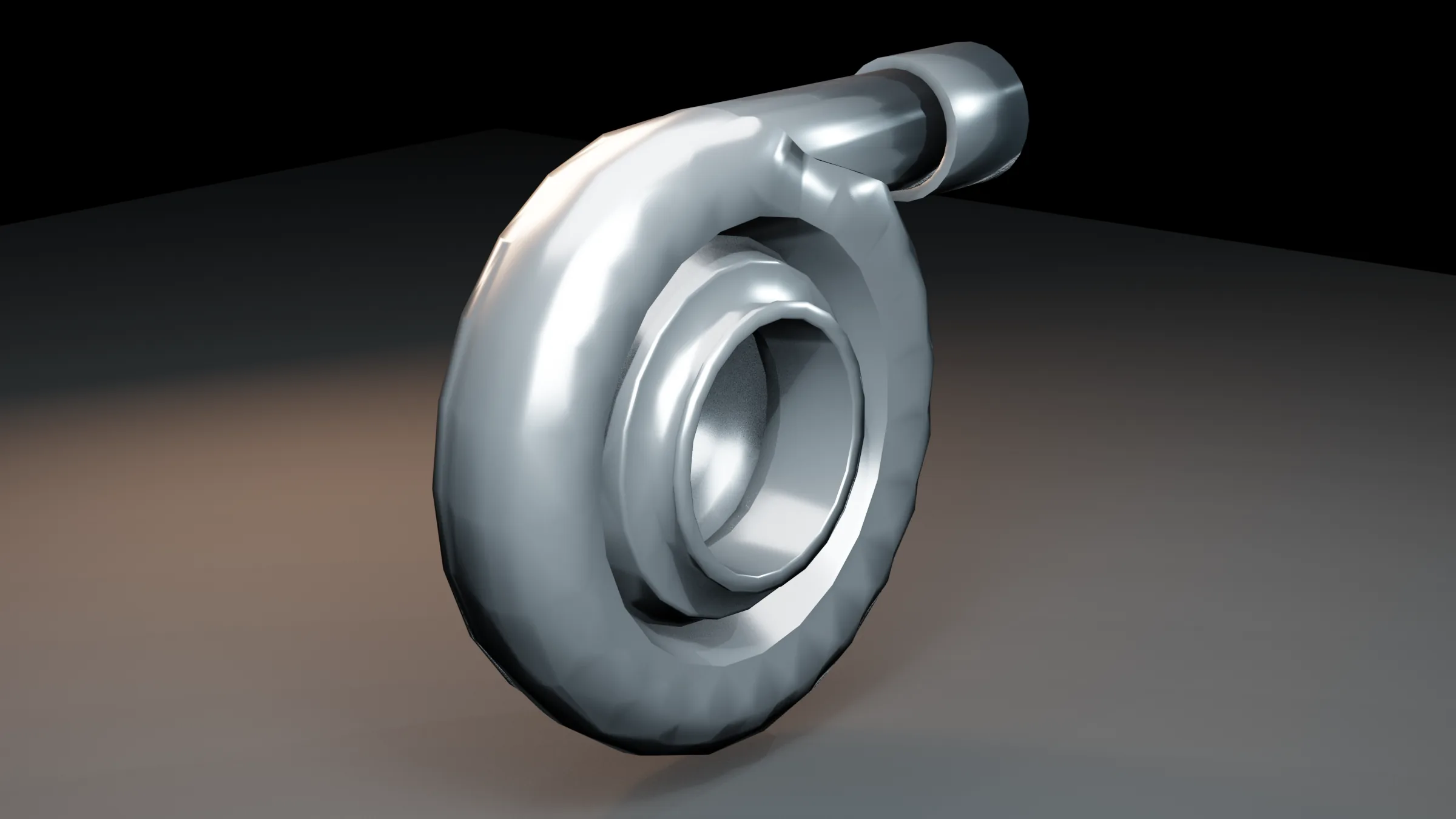
02
As-cast wall versus a ported shroud. Map width when you need it more than peak efficiency. The cut is written on the sheet with the rest of the housing work.
Cutaway illustration of the housing work.
Quote a core-up with housing work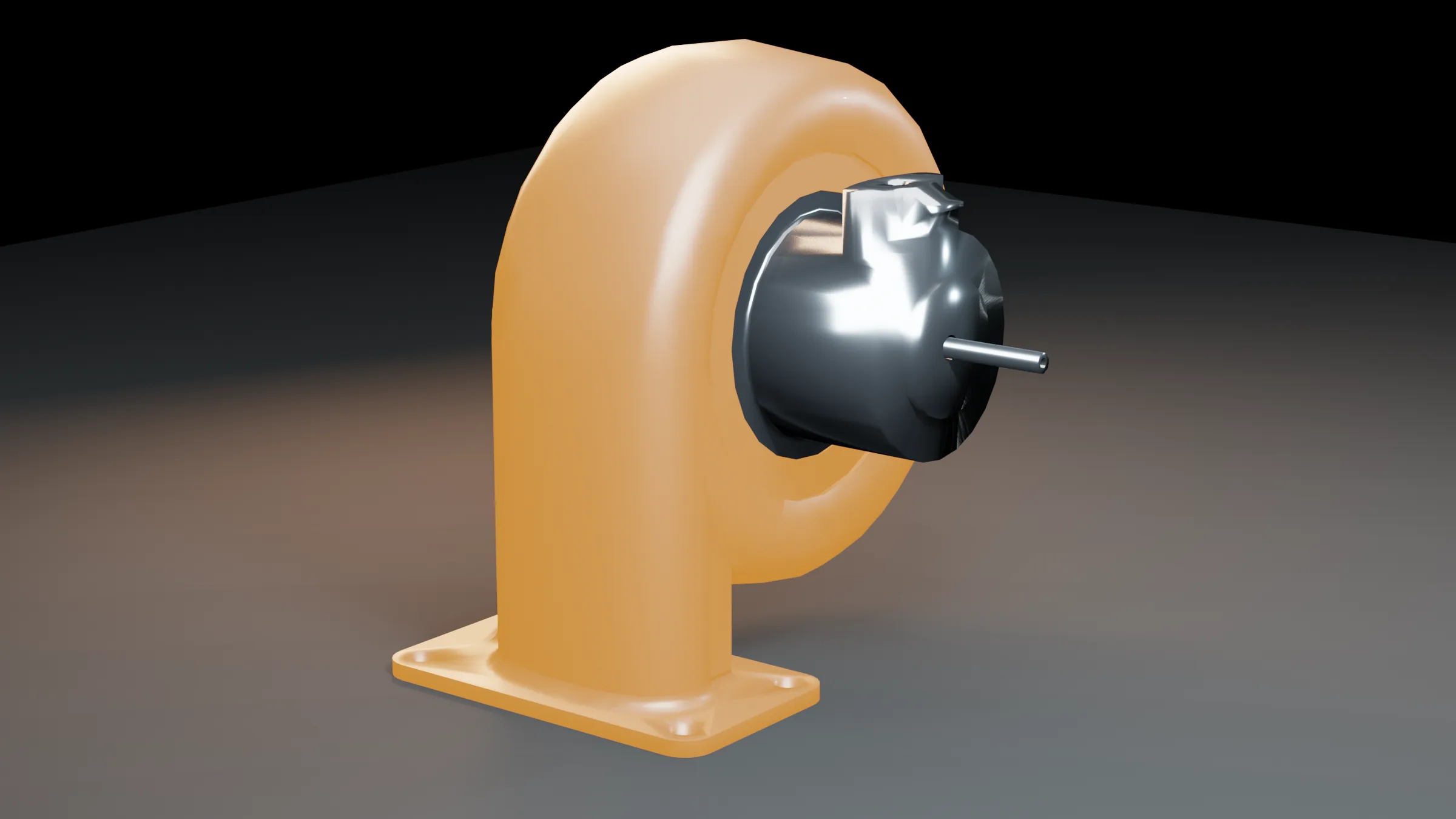
03
Clearance, seal choice and which turbine wheel comes back in one piece. Color in the frame is lookdev. The temperature that matters is the one on your log.
Lookdev heat tint. Not a pyrometer reading.
Open the racing desk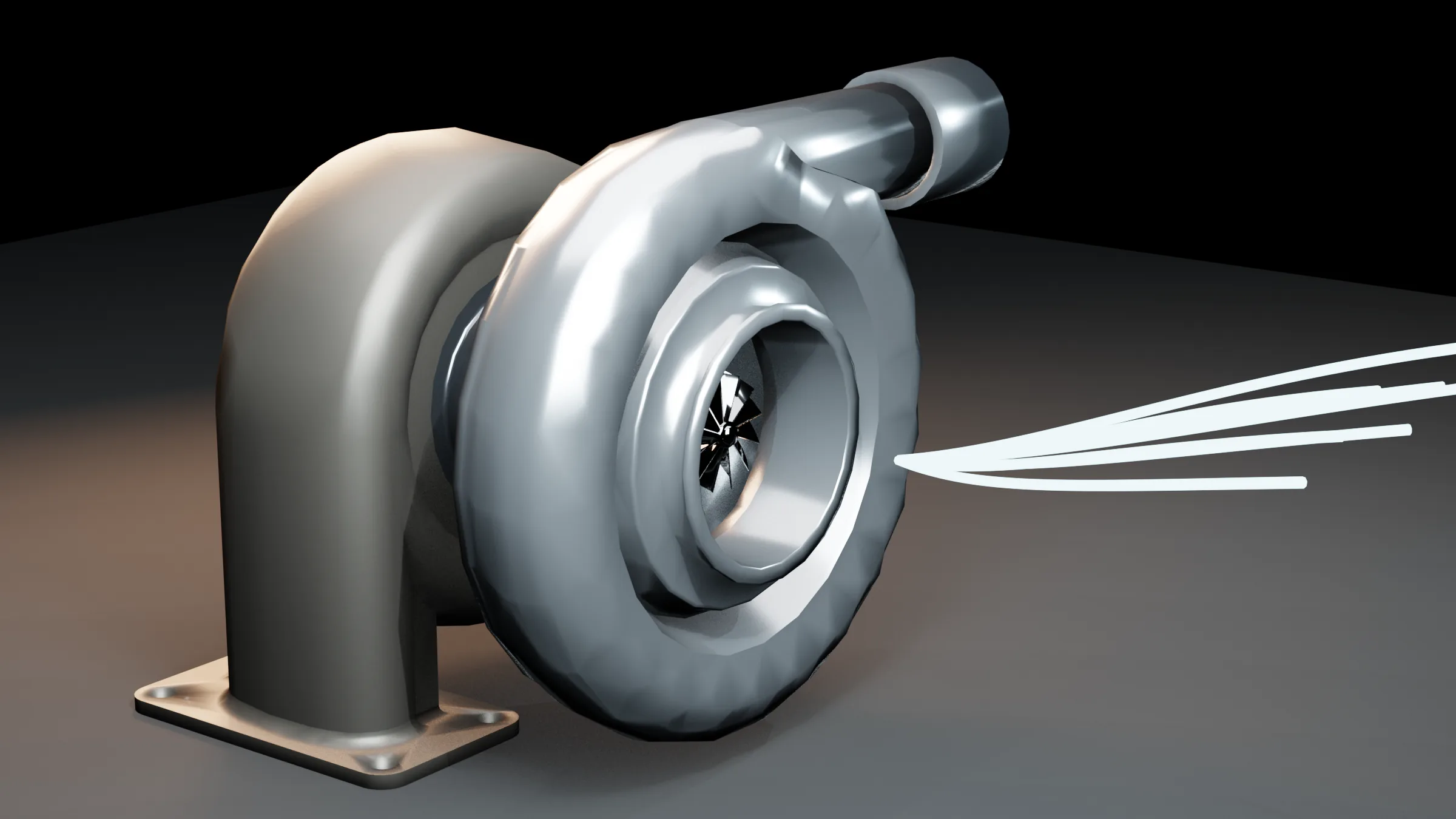
04
Stylized path into the inducer and through the housing. Useful to talk about the job. Not a CFD study and not a measured gain.
Illustration. Not CFD. Not a percentage claim.
Send your operating point04 / On paper
Every unit goes out with the sizes we actually cut, not the sizes we hoped for. Stock on one column, built on the other, signed under its own number. Hand it to your customer and the argument is over.
Example sheet. Sizes are the format, not a promise.
05 / The route
Before anything is cut we tell you what killed it. If oil supply or a shaft is the real problem, a bigger wheel will only kill it faster.
We place your operating point on the map and show the margin left to surge and to choke. You approve the sizes before the machine starts.
Wheel fitment, ported shroud, housing and back plate faces, turbine clipping when peak flow is worth the low end. Every cut is written down.
The CHRA is balanced assembled, not part by part, then the result goes on the report under the unit serial.
Variable geometry and actuators are set and logged. Pumps and injectors leave with target and actual values on the sheet, the format your diesel shop already reads.
Build sheet, sizes, balance result, actuator setting. One WhatsApp thread from the first message to the tracking number.
06 / Before you ship
These are the questions the trade uses to sort real builders from garage builders. You should be asking them to everybody, us included.
The build sheet lists them by part. You see it before we start and again in the box. If a supplier cannot produce that list, walk away from them.
Yes, and yes. The assembled CHRA is balanced and the result travels with the unit under its own number, so your customer can see it too.
Variable geometry, nozzle travel and actuators are set and logged. On the fuel side the pump and the injector set leave with target and actual figures.
Set, marked and logged. This is the small item that burns half a day of your dyno slot when it arrives wrong, so it does not leave until it is right.
You get working days before you ship anything. If the date moves, we tell you before you have to chase us. Chasing a supplier is the single most common story in every forum thread about this trade.
Warranty is per line and written on the quote before you pay. A claim is a message in the same thread with the unit serial. No ticket queue, no new email address.
Straight talk
Hardware without software is half a job. Plan the remap, or the part will disappoint you and it will not be the part's fault.
Every build is a compromise between response and top end. We will tell you which way we moved yours, and what it costs you at the bottom.
We do not publish horsepower we did not measure, and we do not put other people's dyno charts on our own page. What we can hand you is the work, written down.
Photos of the compressor plate, the tag, your target power band. One thread, one technician, no form.